

If you’re on a GLP-1 medication and thinking about coming off it, you’ve probably already Googled the scary stuff: “GLP-1 weight regain,” “what happens after stopping GLP-1 medication,” “will I gain it all back.” Take a breath. You’re not doomed to regain the weight — but you do need a plan.
GLP-1 drugs work by slowing digestion and dialing down appetite signals in your brain. The moment you stop, both of those effects fade, usually within a few weeks. If nothing else changes, hunger comes back louder than before, and the weight tends to follow. This is exactly why weight loss management can’t stop the day you stop the injection — it has to shift from “medication does the work” to “your habits do the work.”
This guide lays out a realistic 10-week playbook to help you transition off GLP-1 medications without watching the scale climb back up. It’s part of our ongoing weight loss guide in 2026, built for people who want the science explained simply and a plan they can actually follow.
Why Weight Regain Happens After Stopping GLP-1s
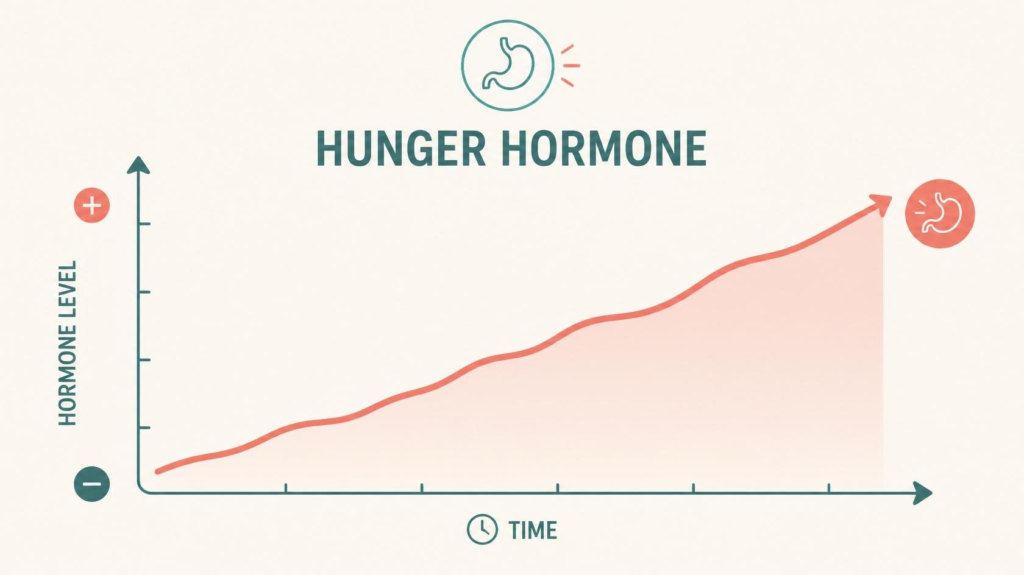
Before the playbook, it helps to understand what you’re up against:
- Appetite hormones rebound. Ghrelin (the hunger hormone) rises back to pre-medication levels within weeks of stopping.
- Metabolic adaptation. Rapid weight loss often lowers your resting metabolic rate more than the weight loss alone would explain — your body becomes more “efficient” at holding onto fat.
- Muscle loss during the medication phase. If strength training and protein intake weren’t prioritized while on the drug, a good chunk of the weight lost was muscle, not fat. Less muscle means a lower metabolism, which makes regain easier.
- Old habits, unchanged. If the medication was doing 90% of the appetite control, the underlying eating patterns never actually changed.
None of this means stopping is a bad idea — many people stop due to cost, side effects, pregnancy planning, or simply reaching their goal. It just means the transition needs its own strategy, which is exactly what good weight loss services should provide.
The 10-Week Playbook
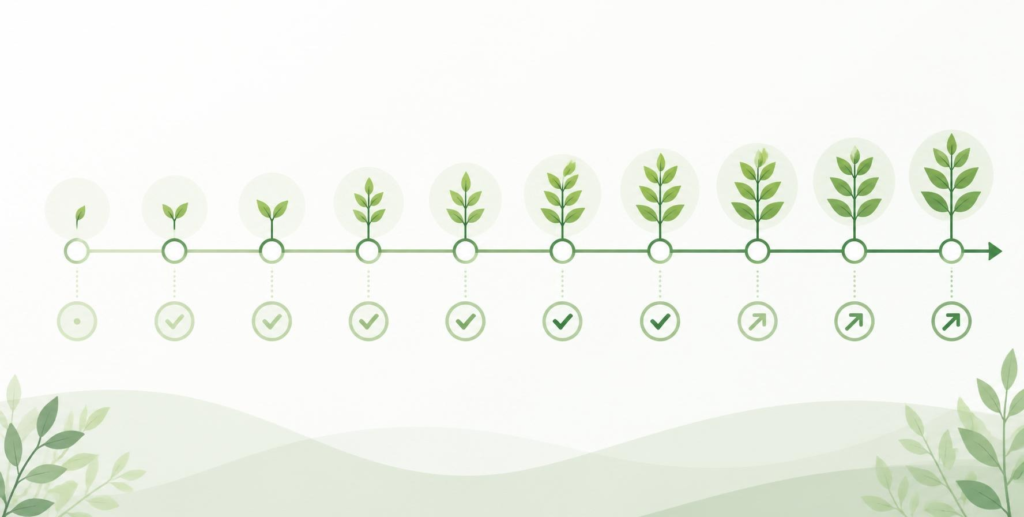
Week 1-2: Taper, Don’t Quit Cold Turkey
Work with your prescribing doctor to taper the dose gradually rather than stopping abruptly, if that’s medically appropriate for your drug and dose. This gives your appetite hormones and digestion time to adjust gradually instead of all at once.
This week’s focus:
- Talk to your doctor about a step-down schedule
- Start tracking hunger levels daily (1-10 scale) so you notice real changes, not fear-based ones
- Get baseline numbers: weight, waist measurement, and if possible, body composition (fat vs. muscle)
Week 3-4: Rebuild Protein and Fiber First

This is the highest-leverage habit shift in the entire playbook. Protein and fiber are the two nutrients that naturally do what the medication was doing — they slow digestion and increase satiety.
Targets:
- 1.2-1.6g protein per kg body weight per day (eggs, paneer, dal, chicken, curd, soy)
- 25-30g fiber per day (vegetables, whole grains, chia, oats)
- Protein at every meal, not just dinner
Week 5-6: Introduce Structured Strength Training

If you weren’t strength training during the medication phase, start now — even two sessions a week matters. Muscle is your metabolic insurance policy against regain.
This week’s focus:
- 2-3 resistance sessions per week (bodyweight or weights)
- Prioritize compound movements: squats, rows, presses
- Don’t chase the scale this week — chase strength numbers
Week 7: Recalibrate Portions Without the Appetite Suppression
By now, hunger is likely returning. This is the week most people panic. Instead, use portion structuring: a visible plate method (half vegetables, quarter protein, quarter complex carbs) instead of calorie counting, which is easier to sustain long-term.
Week 8: Build a Hunger-Response Plan
Real hunger will show up. The plan is to have a response ready instead of reaching for the nearest snack:
- A high-protein snack on hand (roasted chana, curd, boiled eggs)
- A 10-minute delay-and-drink-water rule before any unplanned snack
- Identify emotional eating triggers separately from physical hunger
Week 9: Sleep and Stress — The Overlooked Levers
Poor sleep and high cortisol both increase ghrelin and cravings, undoing everything built in weeks 1-8. Aim for 7+ hours of sleep and add one stress-management practice (walking, breathing exercises, or a wind-down routine).
Week 10: Lock In Long-Term Weight Loss Management
By week 10, the medication’s effects should be mostly out of your system, and your habits should be doing the heavy lifting. This week is about setting up ongoing monitoring:
- Weekly (not daily) weigh-ins
- A monthly check-in on waist measurement and energy levels
- A clear “if weight climbs 2kg, here’s what I do” plan, so a small regain never turns into a big one
What the Best Plan to Weight Loss in 2026 Actually Looks Like
Coming off GLP-1 medications isn’t a return to “no plan” — it’s a shift to a different, sustainable plan. The best plan to weight loss in 2026 for post-GLP-1 transition combines:
- A gradual medical taper, not an abrupt stop
- Protein and fiber-first eating to replace the appetite-suppressing effect
- Strength training to protect metabolism
- A structured, realistic hunger-response system
- Sleep and stress management as core pillars, not afterthoughts
- Ongoing tracking that catches small regains early
Why Professional Support Makes This Easier

Doing this alone is possible, but it’s harder — most people don’t have a clear read on their protein needs, calorie requirements, or how fast to taper safely. This is where structured weight loss services add real value: a dietitian-guided plan personalized to your current dose, medical history, and lifestyle removes the guesswork.
At Nutri2Care, our post-GLP-1 transition plans are built by our team under the guidance of Dietitian Ashita Aggarwal (M.Sc, Silver Medalist), combining personalized nutrition, PCOS-aware planning where relevant, and ongoing check-ins so you’re not figuring out weeks 7 through 10 on your own.