
Everywhere you look, someone is giving weight loss advice. Cut carbs, skip dinner, drink only water, avoid fat completely — the conflicting information never seems to end. With so much noise around, it becomes genuinely hard to know what actually works.
Here’s the truth: real weight loss management isn’t about blindly following a diet trend. It’s about having the right information, staying consistent, and being patient with the process. In this article, we’ll bust some of the most common weight loss myths and walk you through what the best plan to weight loss in 2026 should actually look like.
Myth 1: Skipping Meals Helps You Lose Weight Faster
This is one of the most common misconceptions out there. People assume that eating less, or skipping meals altogether, will speed up weight loss. In reality, it often does the opposite.
When you skip meals, your body shifts into what’s often called “starvation mode.” Your metabolism slows down because the body starts conserving energy. The result? Whatever you eat next is more likely to be stored as fat, because your body isn’t sure when the next meal is coming.
Fact: Eating regular, balanced meals keeps your metabolism active and supports sustainable fat loss. A good weight loss plan is always built around proper meal timing — not starvation.
Myth 2: Carbs Are the Enemy
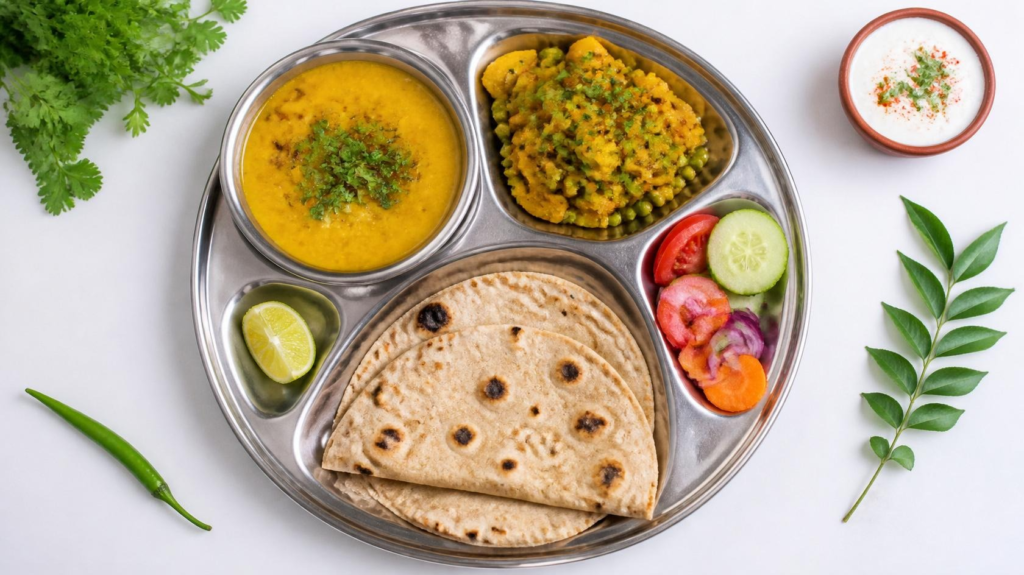
With low-carb and keto diets trending everywhere, carbs have been unfairly labeled as the villain of weight loss. But carbs themselves aren’t the problem — it’s the type of carbs you eat and the quantity that matters.
Refined carbs like white bread, maida, and sugary snacks should definitely be limited. But complex carbs — brown rice, oats, lentils, and fruits — provide the body with steady energy and support digestion through fiber.
Fact: You don’t need to eliminate carbs completely. The right balance and portion control are the real keys to any effective weight loss guide in 2026.
Myth 3: All Fats Make You Fat
This myth has been around for decades. People see “low-fat” labels and assume eating fat directly translates to gaining body fat.
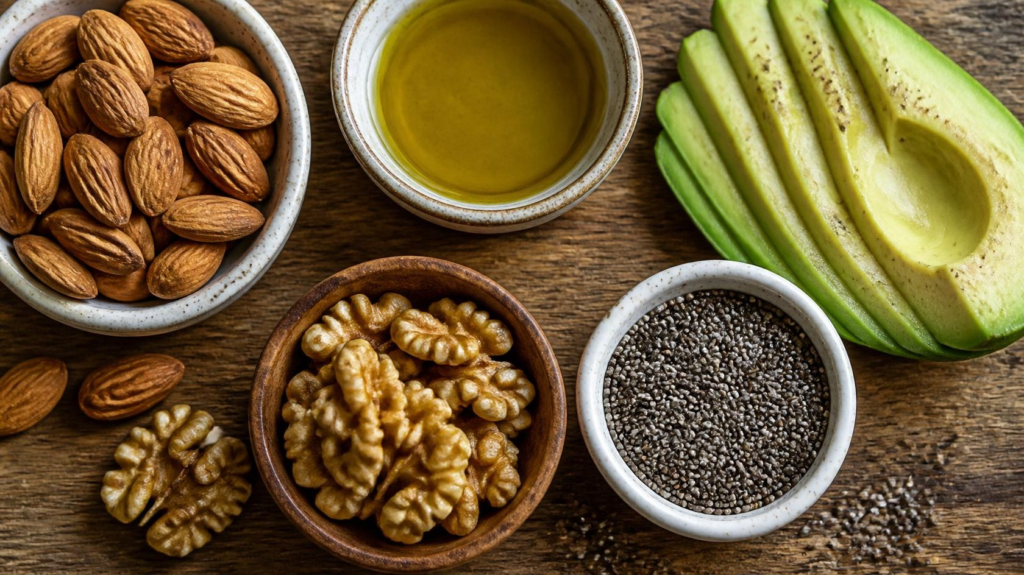
In reality, healthy fats — like nuts, seeds, avocado, and olive oil — play a crucial role in hormone regulation, brain function, and satiety (that feeling of being full). These fats help you stay fuller for longer, which naturally reduces overeating.
Fact: Avoiding trans fats and excessive fried food is smart. But cutting out healthy fats entirely is the wrong approach.
Myth 4: Weight Loss Supplements Are a Shortcut
The market is flooded with fat-burner pills, detox teas, and “magic” supplements promising overnight results. The truth is, no supplement can replace sustainable weight loss.
Some supplements may show temporary water weight loss, but real, lasting fat loss requires consistent diet changes, physical activity, and lifestyle adjustments.
Fact: Supplements can only play a supporting role — and only when taken under the guidance of a qualified dietitian. This is exactly where professional weight loss services make a real difference — replacing guesswork with a science-backed plan.
Myth 5: You Must Exercise for Hours Every Day
Many people believe that unless they spend two hours at the gym, weight loss simply won’t happen. This belief often discourages people before they even get started.
In reality, consistency matters far more than intensity. Just 30-45 minutes of daily moderate exercise — whether it’s brisk walking, yoga, or strength training — combined with the right diet can deliver solid, lasting results.
Fact: Sustainable fat loss depends more on regularity and proper nutrition than on marathon workout sessions.

Myth 6: Late-Night Snacking Always Leads to Weight Gain
This myth is partly true, but not the whole story. Weight gain isn’t really about timing — it comes down to total daily calorie intake and the quality of what you’re snacking on.
If you choose a healthy option at night — like roasted makhana, a piece of fruit, or Greek yogurt — it won’t cause weight gain. The real problem arises when late-night snacking involves high-sugar or deep-fried foods.
Fact: It’s less about when you eat, and more about what and how much you eat.
So, What Actually Works? Your Best Plan to Weight Loss in 2026
Now that we’ve cleared up the common myths, let’s talk about what an effective, realistic weight loss plan actually looks like:
- Personalized Nutrition — Every body is different. A generic diet plan doesn’t work for everyone. That’s why proper weight loss management — built around your body type, lifestyle, and health conditions (like PCOS or thyroid) — is so important.
- Consistency Over Perfection — One cheat meal won’t ruin your progress. Long-term consistency delivers far better results than short-term perfection.
- Balanced Meals, Not Extreme Diets — The right balance of carbs, protein, and healthy fats is the real foundation of sustainable fat loss.
- Regular Movement — Daily activity, whether it’s a structured workout or simply staying active, keeps your metabolism healthy.
- Professional Guidance — Partnering with trusted weight loss services, where qualified dietitians track your progress, helps you avoid shortcuts and achieve real, lasting results.

Final Thoughts
Weight loss isn’t a race — it’s a journey that becomes much easier with the right information and the right support. Instead of following myths, basing your decisions on facts is what will actually get you real, sustainable results.
If you’re planning to start your weight loss journey the right way in 2026, getting guidance from a qualified dietitian could be one of the best decisions you make — someone who understands your lifestyle, health history, and goals, and builds a plan around you.